



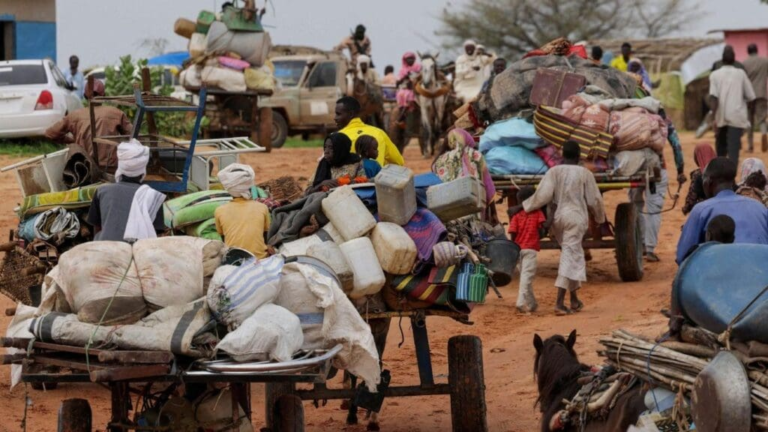
As of September 30, 2026, Mali was hosting 322,584 refugees and asylum-seekers alongside 414,524 internally displaced persons, according to figures presented by the Malian delegation at the 77th session of the Executive Committee of the United Nations High Commissioner for Refugees in Geneva.
The official figures also recorded 90,648 returnees, while 343,091 Malians remained registered as refugees in foreign countries. Compared to August figures, the displaced population hosted in Mali grew by 5,396 refugees and asylum-seekers, while the number of Malian refugees abroad increased by 4,722, and returnees rose by 236. The number of internally displaced persons remained unchanged during the same period.
These figures reflect an escalating humanitarian crisis across the central Sahel, where UNHCR estimates that nearly four million people are forcibly displaced across Burkina Faso, Mali, and Niger, including more than 818,000 refugees and asylum-seekers. In central Mali’s Koro region alone, approximately 86,000 Burkinabe refugees were registered at the end of July, contributing to a refugee population in Mali that has nearly doubled since 2024.
Addressing the UN committee in Geneva, Mali’s Minister of Territorial Administration and Decentralisation, Issa Ousmane Coulibaly, highlighted state-led initiatives to support voluntary repatriation, host asylum-seekers, and reintegrate returning citizens. He emphasized legal progress, including the adoption of a 2024 law on statelessness, the formation of a specialized national commission, and the implementation of formal guidelines for recognizing stateless status.
MD/te/lb/abj/APA