





In the wake of a historic 35th Africa Cup of Nations (AFCON 2026), Moroccan authorities have hailed the tournament’s conclusion as a victory for the entire continent, declaring that the kingdom’s success belongs to all of Africa.
The event shattered continental records with over 1.34 million spectators attending 52 matches, resulting in an average of nearly 26,000 fans per game. Beyond the atmosphere in the stands, the Confederation of African Football reported a staggering 90% increase in commercial revenue, fueled by a surge in global television rights and high-value sponsorships that have elevated the financial profile of the sport.
The tournament served as a high-stakes logistical blueprint for the 2030 FIFA World Cup, proving that Morocco’s decade-long investment in its football ecosystem has reached global standards. The government successfully mobilized over 120 infrastructure projects, including renovated stadiums, modernized airports, and a revamped rail network that managed an influx of up to one million international visitors without major structural incidents. This operational feat generated approximately 12 billion dirhams in tourism revenue and showcased the expertise of the Mohammed VI Academy and Morocco’s broader sporting infrastructure.
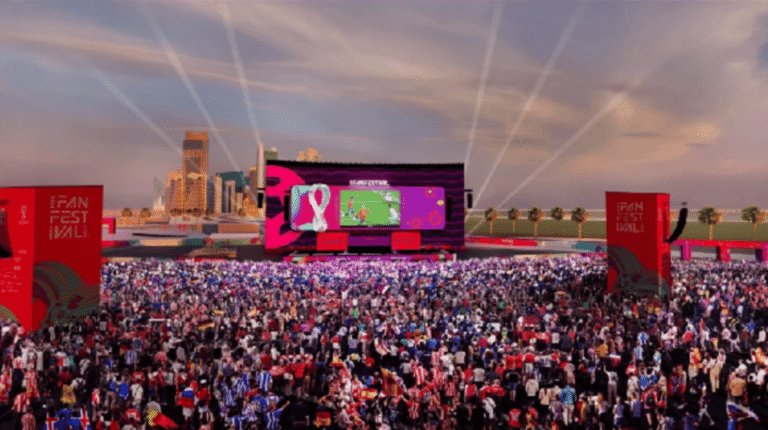
From the vibrant fan zones of Tangier and Marrakech to the packed cafes of Casablanca and Rabat, the pan-African spirit reshaped the urban landscape of the host cities. While officials acknowledged minor logistical friction during the final match, the overarching sentiment remains one of pride and continental solidarity. Rabat’s closing statement reaffirmed its commitment to a united and prosperous Africa, framing the 2026 tournament not merely as a national triumph, but as a pivotal milestone in the rise of African football on the world stage.
AP/Sf/fss/abj/APA