





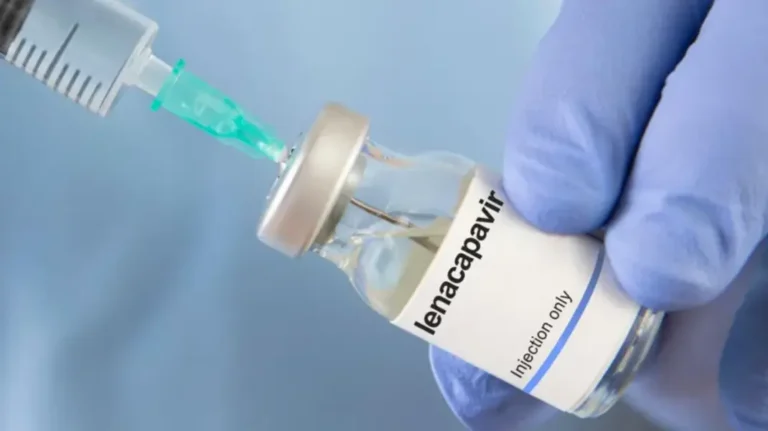
Mozambique on Wednesday began administering the first doses of lenacapavir, a long‑acting injectable medicine used as pre‑exposure prophylaxis (PrEP) to prevent HIV infection.
The launch in Maputo province marked a major step in the country’s efforts to curb one of the highest HIV incidence rates in the world.
It introduced a new prevention option for people aged 15 and above, with health authorities hoping the twice‑yearly injection will improve adherence and reduce new infections, particularly among adolescents and young adults.
Health Minister Ussene Isse said the introduction of lenacapavir represented an important advance in Mozambique’s HIV response, noting that the country records around 92,000 new infections annually.
Of these, 34,000 occur among people aged 15 to 24 – a group officials say must be prioritised if the country is to slow transmission.
The first doses were administered at Ndlavela Health Centre in Matola where Isse said the new technology would help reduce stigma and improve uptake of prevention services.
He stressed that the injection is only for people who test HIV‑negative and will initially be available in 55 health facilities across Maputo and Zambézia provinces.
Mozambique remains one of the countries most affected by HIV globally, with high prevalence rates and persistent challenges in prevention, testing and treatment access.
It becomes one of nine African countries to introduce lenacapavir, which is considered highly effective and easier to adhere to than daily oral PrEP.
The rollout is supported by the United States government and the World Health Organisation, both of which said the new option could significantly reduce new infections if combined with other prevention measures such as condom use, regular testing and community education.
JN/APA