





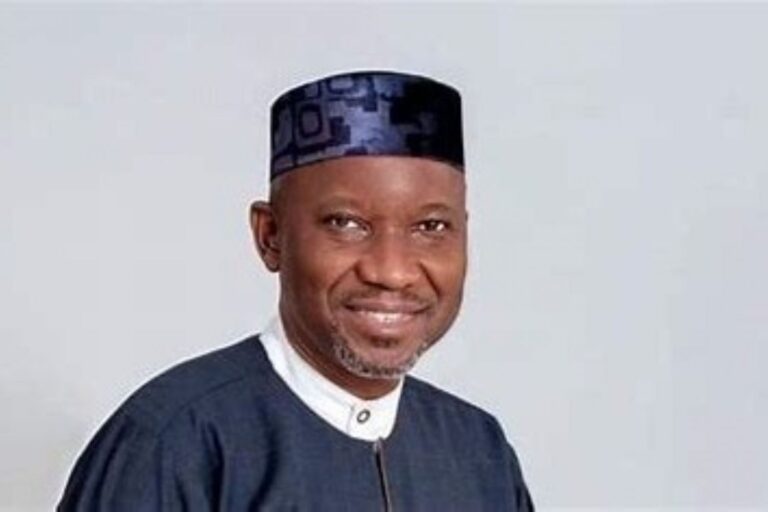
Minister of State for Petroleum Resources (Gas), Mr. Ekperikpe Ekpo, has said that President Bola Tinubu has authorised the settlement of N185 billion in long-standing debts owed natural gas producers in order to revitalise the country’s gas industry and stabilise power generation.
The move, according to the statement by the minister, will deliver wide-ranging benefits, beginning with restoring investor confidence in the sector.
The statement added that directive was endorsed by the National Economic Council (NEC) headed by Vice-President Kashim Shettima, and that it marked one of the most significant interventions in the Nigerian energy sector in recent years.
It will be recalled that the N185 billion legacy debts, a longstanding government obligations to gas producers for past supplies had strained cash flow and hindered operations.
restore confidence among domestic and international gas suppliers, who have long expressed concern about persistent indebtedness in the sector.
Ekpo, however, described the approval as a “decisive step towards revitalising Nigeria’s gas sector and strengthening its power-generation capacity in a sustainable manner.”
He praised President Tinubu’s leadership, stating that the intervention aligned with the Decade of Gas initiative, which aims to unlock over 12 billion cubic feet per day (bcf/d) of gas supply by 2030.
“Settling the debts is crucial to rebuilding trust between the government and gas producers, many of whom have withheld or slowed new investments due to uncertainty over payments,” he said.
Ekpo explained that improved financial stability would help revive upstream activity by accelerating exploration and production, ultimately boosting Nigeria’s gas output.
He added that increased gas supply would also boost power generation and ease the long-standing electricity shortages that continue to hinder businesses across the country.
According to the minister, these gains are expected to stimulate broader economic growth, as reliable energy underpins industrialisation, job creation and competitiveness.
He added that better fiscal discipline and enhanced transparency across the sector would further attract fresh investment from both local and foreign players.
GIK/APA