



The international community is intensifying its mobilization against the escalating security crisis in West Africa, with Rome hosting the 10th Summit of the Aqaba Process this Wednesday.
This strategic consultation framework, initially launched in 2015 by King Abdullah II of Jordan, aims to coordinate global efforts in the fight against terrorism and violent extremism.
The summit was chaired by Italian Prime Minister Giorgia Meloni and saw significant attendance from African leaders, including Presidents Mahamat Idriss Deby (Chad), Bola Ahmed Tinubu (Nigeria), Julius Maada Bio (Sierra Leone), and Faure Gnassingbe (Togo). Representatives from Côte d’Ivoire, Kazakhstan, Mauritania, Senegal, and Uzbekistan were also present.
The main themes of the summit centered on the specific challenges facing West Africa, a region where terrorism-related violence has caused dramatic human loss. According to the Global Terrorism Index, more than half of the world’s victims of terrorism come from this region, with nations like Burkina Faso, Mali, Niger, and Nigeria being the most severely affected.
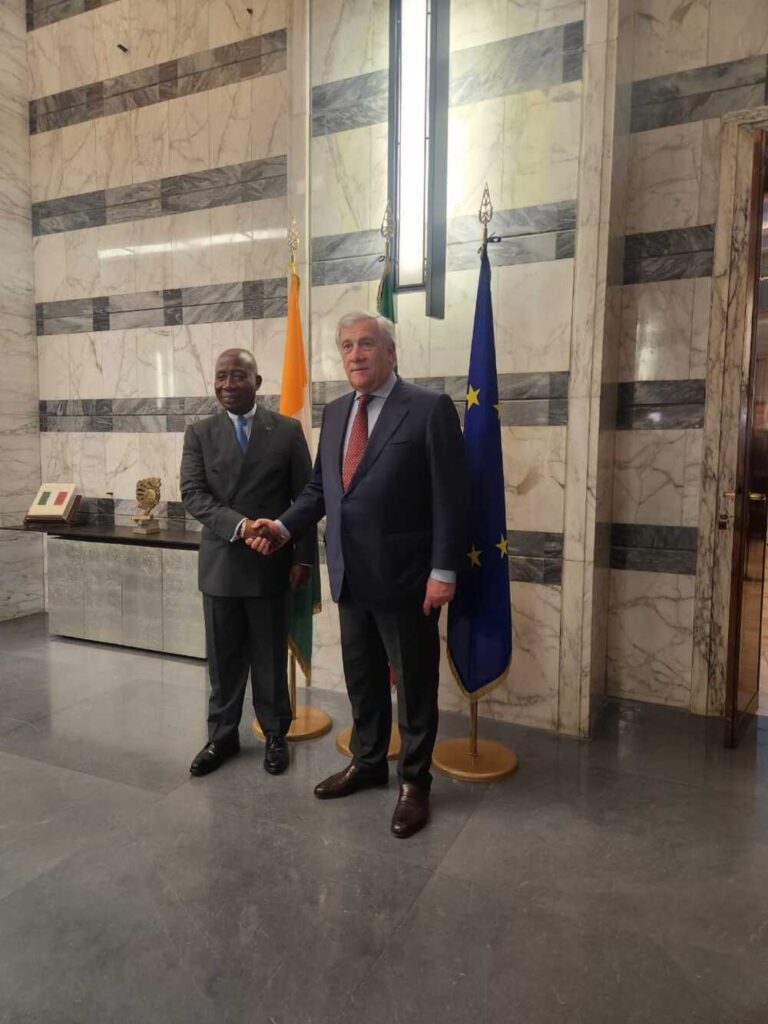
Côte d’Ivoire’s Minister of Foreign Affairs, African Integration, and Ivorians Living Abroad, Léon Kacou Adom, played a key role in the dialogue, underscoring Côte d’Ivoire’s commitment to actively contributing to regional security discussions.
Heads of state at the summit highlighted the worrying link between organized crime and terrorism, a threat exacerbated by precarious social and economic conditions such as poverty and malnutrition.
They outlined international strategies needed to control this phenomenon, notably referencing the Mattei Plan. This Italian initiative aims to promote equitable partnerships for the development of African nations, fostering sustainable growth and improving the resilience of affected countries.
The attendees unanimously noted the convergence of efforts and a shared vision around the Aqaba Process. By bringing together diverse international representatives, the Rome summit serves as a bastion of global commitment to peace and security in West Africa. The meeting is expected to lay the groundwork for strengthened collaboration, which is essential to stemming the security threats facing the region and the wider continent.
AP/Sf/fss/abj/APA