



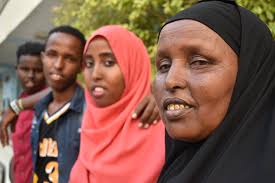
Nearly 65,000 Ethiopian refugees and asylum-seekers are living in Sudan with more than two-thirds concentrating in Gedaref State, the United Nations High Commissioner for Refugees (UNHCR) said this weekend.
The UN refugee agency said despite the prolonged fighting, the country continues to host a substantial refugee population, with 921,476 refugees recorded as of October 2026. Ethiopians account for approximately 7 percent of that total.
Of the 64,902 Ethiopian refugees and asylum-seekers, 70 percent are accommodated in refugee camps, while the remaining 30 remaining live outside the camps. The population comprises 24,038 households, with an average family size of three.
Gedaref hosts the overwhelming majority with 43,177 Ethiopians refugees, representing 67 percent of the total population. Blue Nile State follows with 9,775 (15 percent), while Red Sea hosts 3,145 (5 percent). Northern State accounts for 2,729 (4 percent), followed by River Nile with 2,264 (3 percent), Al Gezira with 2,184 (3 percent), Kassala with 1,334 (2 percent), and Khartoum with 294 (0.4 percent).
UNHCR’s cumulative registration statistics since 2018 show 78,543 registered cases. However, the agency clarifies that this figure includes inactive and closed cases, distinguishing it from the 64,902 individuals currently reflected in the population overview.
The demographic breakdown shows that women account for 45% of the Ethiopian refugee population, while men make up 55%. Children aged 17 and below account for 35% of registered individuals, while adults between 18 and 59 constitute 59%. Older people aged 60 and above represent the remaining 6%.
The dashboard further records 1,326 persons with disabilities, representing 2% of the registered Ethiopian population, and 712 unaccompanied and separated children. UNHCR said its registration team had conducted a verification and revision exercise of the figures for unaccompanied and separated children, excluding cases found to involve individuals older than 18.
MG/as/APA