



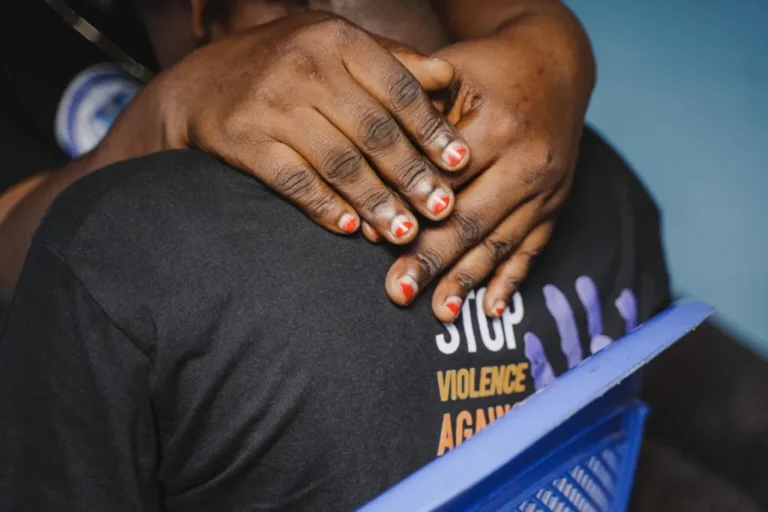
About six out of every 10 women and adolescent girls surveyed in Ituri, in the eastern Democratic Republic of the Congo (DRC), report having experienced violence or abuse – or having witnessed an escalation in such acts – since the onset of the Ebola epidemic, according to a survey published Tuesday by the United Nations Children’s Fund (UNICEF).
The findings are based on 1,062 interviews conducted between August 28 and October 15, 2026, with women and adolescent girls aged 15 and older. According to UNICEF, this represents the first real-time monitoring system for violence against women and girls ever implemented during an infectious disease outbreak.
Conducted in collaboration with the women’s rights organisation SOFEPADI and Washington University in St. Louis (USA), the survey highlights an upsurge in emotional and psychological abuse, coercive control, and physical and sexual assault.
Notably, more than a third of the respondents reported increased control over their movements, financial resources, and access to their phones. Among the women who reported an increase in violence, nine out of 10 cited the stress and fear caused by the epidemic as contributing factors.
The study also notes that seven out of ten respondents live in households that have been subject to at least one public health measure related to Ebola, such as isolation, quarantine, or contact tracing.
However, access to protection and support services remains limited; nearly half of the women and adolescent girls who sought care or assistance were unable to obtain it.
The obstacles mentioned include the fear of contracting the virus, restrictions imposed by those around them, the closure or repurposing of certain centres, as well as shame and fear of the perpetrators of violence.
Conversely, the number of people using the support facilities that remain accessible highlights the scale of the need.
According to UNICEF, in eight safe spaces managed by SOFEPADI in Ituri, the number of visits rose from 1,183 between January and March to 3,548 between July and September – an increase of 200%.
Another consultation, conducted via the digital platform U-Report among approximately 11,500 young people in the province, indicates that nearly half of the respondents perceive an increase in the risk of violence against women and girls since the start of the epidemic.
Physical and sexual assault are among the primary concerns expressed.
UNICEF notes that women and girls are also at a higher risk of infection due to their family and community responsibilities – such as caring for the sick, preparing the deceased for funerals, and frequently traveling to healthcare facilities.
“Already facing a deadly epidemic and an ongoing conflict in the eastern DRC, women and girls are confronted with a growing threat of violence and abuse,” said UNICEF Executive Director Catherine Russell, calling for their protection to be integrated into the health response.
Since the beginning of the epidemic, UNICEF and its partners have provided support to more than 3,300 survivors of gender-based violence in Ituri and North Kivu. They also provided psychosocial and mental health support to nearly 175,000 people between June and October 2026.
However, these interventions continue to face a 76% funding gap for activities focused on the protection of women and children-specifically services for the prevention of and response to gender-based violence.
The organisation is calling on authorities, humanitarian partners, and donors to keep reception facilities open, strengthen services for survivors, and integrate the monitoring of violence into epidemic response and health emergency preparedness frameworks.
AC/Sf/fss/gik/APA