





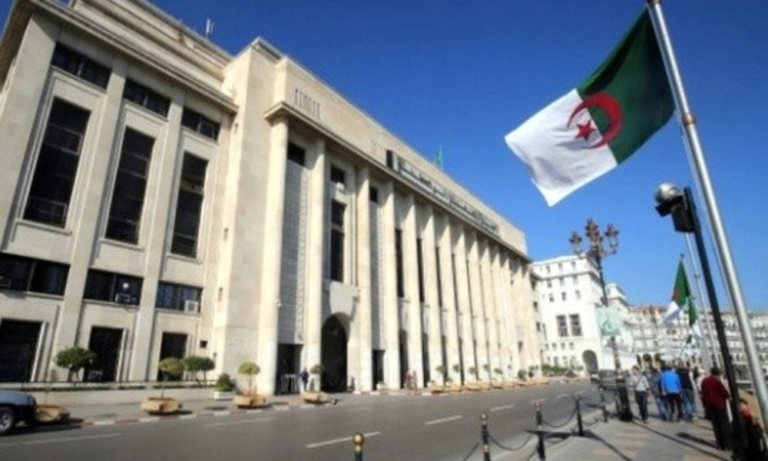
The National People’s Assembly’s Committee on Legal and Administrative Affairs and Freedoms has entered a critical phase of consultations regarding the draft organic law on political parties.
While the executive branch presents the text as a necessary modernization of the legal framework to align with the 2020 Constitution, the hearings have exposed a deep rift between state authorities and several opposition groups. The central point of contention remains the level of administrative control the Ministry of the Interior should exert over the formation and daily operations of political entities.
The Rally for Culture and Democracy (RCD) has emerged as one of the most vocal critics of the proposal, arguing that the current accreditation system effectively subordinates political will to the administration. The RCD advocates for a shift toward a declaratory system, where a party would gain legal personality simply by filing its papers, leaving any disputes to be settled by the judiciary rather than the Ministry of the Interior. This position is supported by the Socialist Forces Front (FFS), which insists that any decision involving the dissolution of a party must fall under the exclusive jurisdiction of the courts to prevent political bias.
Beyond the registration process, the debate has touched on the sovereign rights of political organizations, specifically the right to boycott elections. Critics argue that the draft law’s implicit pressure on parties to participate in all national polls interferes with internal strategic decisions. They maintain that a boycott is a legitimate form of political expression and should not serve as grounds for administrative sanctions or the revocation of a party’s legal status.
Conversely, a more conciliatory group of parties—including the Algerian National Front, Tajamou Amel El Djazaïr, and the Party of Liberty and Justice—has chosen to focus on technical refinements rather than structural opposition. These groups have proposed measures to combat political opportunism, enhance financial transparency, and modernize internal party governance. While these contributions are generally aligned with the government’s framework, they reflect a shared desire among the political class to ensure that the final law provides a stable and modern environment for pluralism in Algeria.
MK/AK/Sf/fss/abj/APA