



Algerian President Abdelmadjid Tebboune on Sunday, August 30, 2026, ordered an amendment to the Penal Code to introduce the death penalty for individuals found guilty of deliberately starting forest fires.
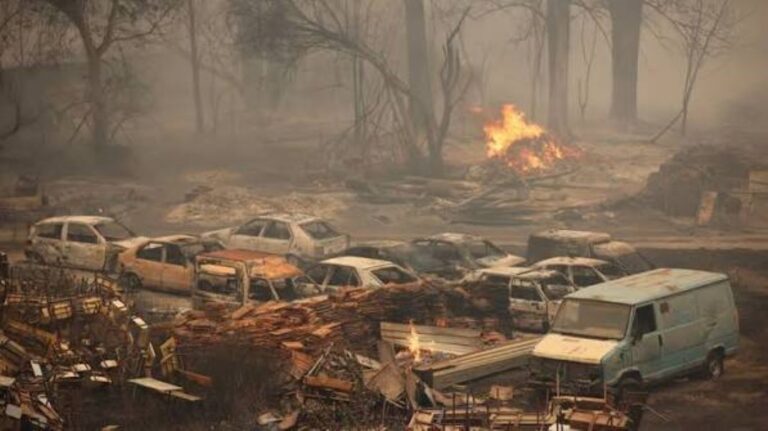
The move follows a wave of wildfires that claimed 12 lives in several regions in the east and north of the country.
Speaking before the justice minister during a meeting on forest fires attended by senior civilian and military officials, Tebboune ordered “an amendment to the Penal Code” before September 15.
He instructed that the draft legislation be submitted to the government and then examined by Parliament “swiftly.”
“We are reinstating the death sentence for arsonists,” he said.
According to information reported by state television, the death penalty could only be carried out after all avenues of judicial appeal have been exhausted.
Algeria has declared three days of national mourning and cancelled all cultural festivities and sporting competitions following the fires.
According to official figures released so far, at least 12 people have died in connection with severe forest fires near Béjaïa, Jijel and Tizi Ouzou. However, local sources fear the death toll could be significantly higher.
Health minister Mohamed Seddik Aït Messaoudène said on Friday that the toll was “very heavy.”
The authorities said several individuals suspected of starting fires had been arrested. Through the proposed reform, Algiers aims to send a message of maximum deterrence to those responsible for deliberate acts of arson. Beyond the threat of harsher penalties, however, attention is now likely to focus on the practical implementation of capital punishment, given that Algeria has not carried out an execution since 1993.
Since Wednesday evening, numerous videos of the fires have circulated on social media, including footage posted by residents trapped by the flames in the coastal and mountainous region known for its scenic landscapes.
Algeria regularly faces wildfires during the summer months, particularly in the forested regions of the north. High temperatures and drought conditions contribute to their spread, while authorities frequently accuse individuals of deliberately setting fires.
AK/Sf/lb/as/APA