



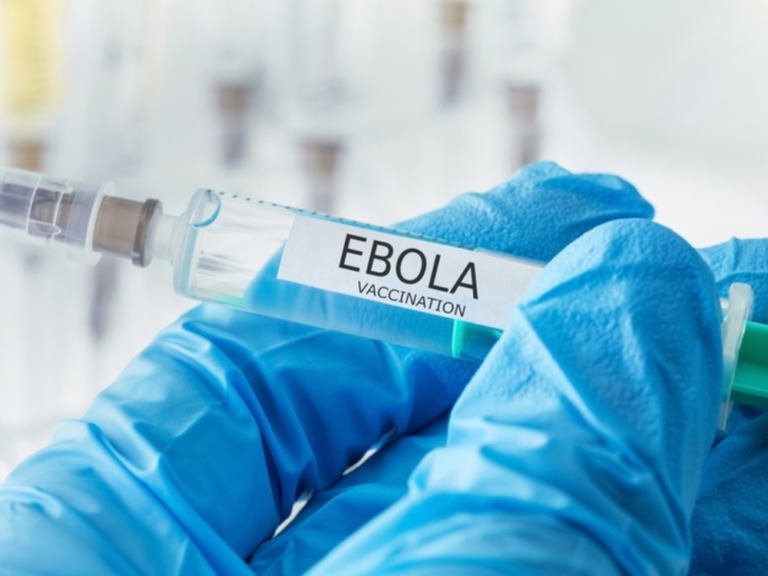
An Ebola vaccine evaluated in clinical trials across West Africa has demonstrated a strong immune response and a favorable safety profile in people living with HIV, according to research published in the medical journal The Lancet HIV.
Conducted jointly by the Health Sciences Research Institute (IRSS-URCN) and the Centre Muraz in Bobo-Dioulasso, alongside academic research teams in Senegal and Canada, the clinical study examined a cohort of 251 adolescents and adults whose HIV infection was stabilized through antiretroviral therapy, including 152 participants based in Burkina Faso.
Trial data revealed that participants receiving the vaccine developed significantly higher antibody levels following a single dose compared to the placebo group, with immune markers remaining detectable up to 12 months post-injection. While a secondary booster dose provided short-term immunogenicity enhancement in select subjects, recorded adverse reactions remained predominantly mild to moderate, consisting primarily of temporary fatigue, headaches, and localized injection site pain. Although researchers emphasized that broader clinical trials are required to measure direct protection against real-world Ebola transmission, the findings confirm that the vaccine induces sustained immunogenicity without major safety risks for immunocompromised populations.
HO/te/Sf/lb/abj/APA