



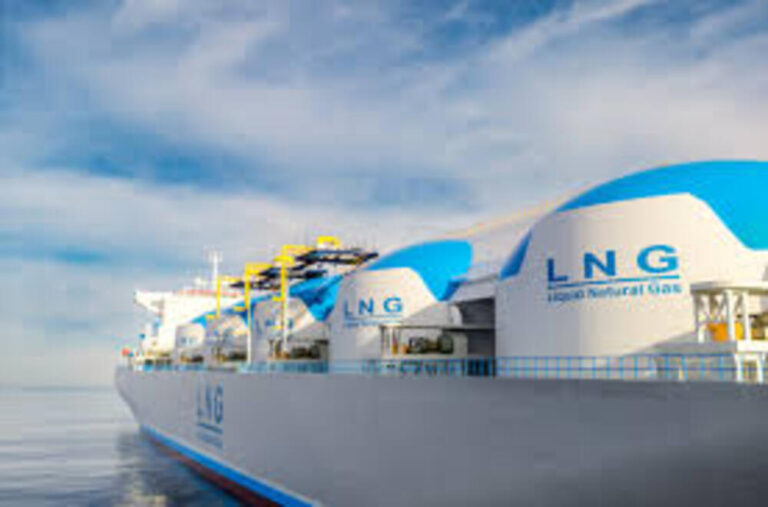
As geopolitical tensions continue to roil the Middle East and energy supplies from Russia remain volatile, Africa is positioning itself as a vital strategic asset for Europe’s energy security through the expansion of its liquefied natural gas (LNG) exports.
To capitalize on this shift, energy ministers from Senegal, Equatorial Guinea, Nigeria, and the Republic of Congo are set to convene in Paris next month at the Invest in African Energy (IAE) Forum. Their primary objective is to showcase the continent’s growing production capacity and secure long-term investment and supply agreements with European markets that are eager to diversify away from traditional, high-risk energy dependencies.
Since the severe disruption of Russian pipeline gas, Europe has scrambled to fill its energy gap, increasingly relying on LNG shipments from the United States, Qatar, and, progressively, from Africa. While Africa’s current market share is relatively modest, its strategic importance is rising rapidly as European energy firms seek to mitigate geopolitical risks. Nigeria currently leads as Africa’s top exporter, serving as a critical supplier for Iberian terminals; notably, Portugal sources over half of its LNG from Nigeria, and Spain remains a primary destination for its cargoes. The anticipated completion of the Nigeria LNG Train 7 project is expected to significantly boost this export capacity in the coming years.
Other African nations are also making substantial strides in the sector. Equatorial Guinea continues to export through the established Punta Europa facility, while ongoing projects are focused on increasing its raw material supply. The Republic of Congo is aggressively pursuing its own goals through the Congo LNG project, which aims for an export capacity of approximately three million tons per year by its second phase. Furthermore, the Greater Tortue Ahmeyim offshore gas project, a joint initiative between Senegal and Mauritania, reached a major milestone by commencing production and exports in 2025, signaling West Africa’s formal entry into the global gas market.
For many European buyers, African LNG offers a compelling logistical advantage. The continent’s geographical proximity to Europe, combined with maritime routes that are largely shielded from the volatile conflict zones currently affecting parts of the Middle East, makes it a safer and more reliable alternative. At the upcoming Paris forum, African leaders aim to transform this growing European interest into concrete investments, formal purchase contracts, and lasting partnerships, ultimately securing a more influential role for Africa in the reshaped global energy landscape.
TE/fss/abj/APA