



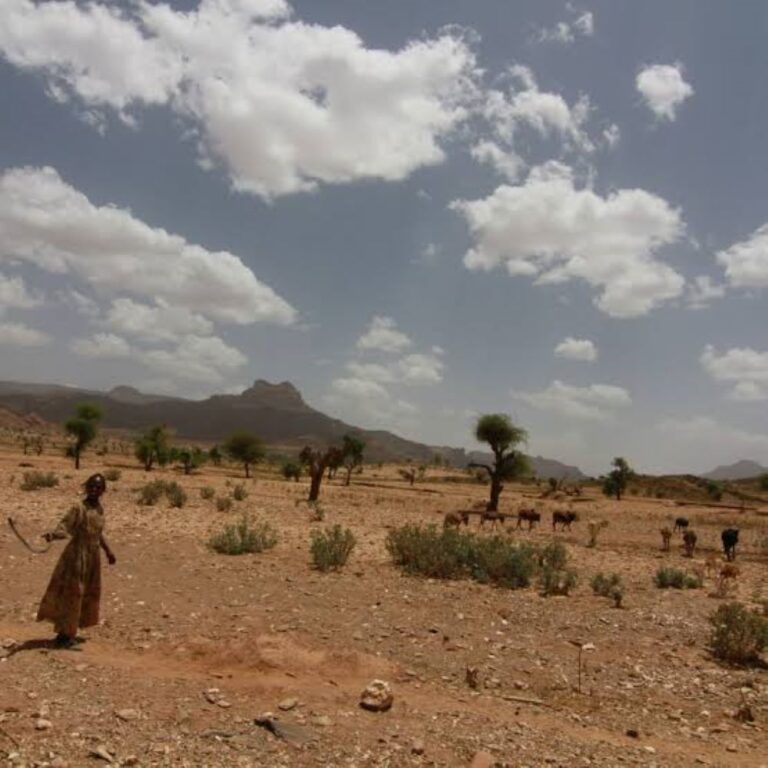
A new analysis by the International Food Policy Research Institute (IFPRI) Wednesday revealed that nearly 905,000 additional people in Ethiopia could fall into poverty due to super El Niño conditions in 2027.
The analysis said another 2.8 million Ethiopians would also face undernourishment next year as the effects of a potentially exceptionally strong El Niño converge with higher global fuel prices linked to the Iran war.
The findings, published on November 17, 2026, indicate that the combined shocks could leave Ethiopia’s gross domestic product (GDP) between 0.4 and 1.1 percent below its projected baseline next year, with the effects of El Niño accounting for most of the anticipated economic losses.
Under the study’s moderate scenario, an estimated 905,000 additional people would fall below the international poverty threshold of 3 US dollars a day, while 2.8 million more people would experience undernourishment, defined in the model as consuming fewer than approximately 1,850 kilocalories per adult equivalent daily.
Agriculture is expected to bear a disproportionate share of the economic damage, with agricultural GDP projected to contract by 2 percent in the average scenario.
The projections come as Ethiopia faces the economic consequences of reduced agricultural productivity, elevated transport costs and pressure on household purchasing power, with rural communities particularly exposed to the combined effects of climate and international commodity-price shocks.
IFPRI estimates that, even without the additional shocks, approximately 42.6 million Ethiopians, representing 30.2 percent of the projected population, would be living in poverty in 2027. Another 28.5 million people, or 20.2 percent, would be undernourished under the baseline scenario.
The moderate scenario would push those figures to approximately 43.5 million people in poverty and 31.3 million facing undernourishment.
The study distinguishes between the economic consequences of rising fuel prices associated with the conflict involving Iran and the impact of El Niño-related rainfall deficits on Ethiopian agriculture.
The researchers identified El Niño-related agricultural losses as the principal driver of the projected economic slowdown.
However, higher global fuel prices associated with disruptions to shipping through the Strait of Hormuz are also expected to compound pressure on household incomes, purchasing power and food security.
MG/as/APA