





Ethiopians have been turning out in massive numbers on Monday to cast ballots for the 7th general election despite significant unrest excluding much of the country.
Polling began at 6 a.m. but voters had already formed long queues ahead of the official opening time in many polling stations in Addis Ababa, the capital.
According to the National Election Board of Ethiopia (NEBE), more than 54 million people, out of Ethiopia’s estimated 130 million population, are registered to vote, with youth and women forming a significant number of the electorate.
Persistent security challenges, however, disrupted voting across several constituencies mainly in Amhara region where at least 143 polling stations were completely closed.
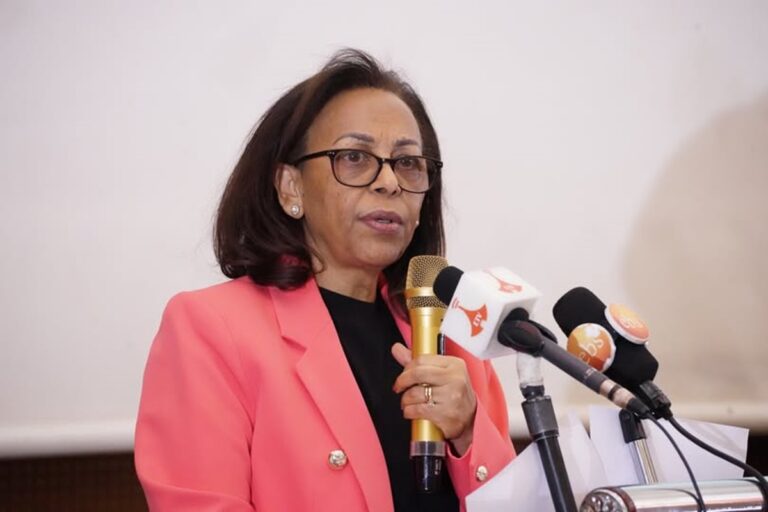
Voting was suspended in parts of Ethiopia’s Oromia due to security concerns, but long voter queues were seen elsewhere in the region, electoral commission head Melatwork Hailu said in a briefing late on Monday.
The whole of Tigray, which is still recovering from a civil war that ended in 2022, has been totally excluded from the vote.
“Overall, while more than 50,000 polling stations were operational, 143 failed to open over security issues,” Hailu added.
She said active voting processes were also halted in several areas including in Kersa, Kutaber, Gilolopa, and Gosache, alongside an undisclosed number of polling stations that closed their doors ahead of schedule.
While NEBE has not yet confirmed the exact number of citizens disenfranchised by these disruptions, officials noted that volatile security conditions and massive voter queues remained the twin major hurdles of polling day.
She said out of more than 52,000 designated polling stations nationwide, 50,188 opened exactly on schedule. However, close to 700 stations experienced significant opening delays, with some only starting to process voters between 12:30am and 1:00am local time (6:30 am to 7:00 am East African Time).
Election officials attributed these bottlenecks primarily to technical complications tied to online voter registration data, which directly fueled extended waiting times and swelling crowds.
Ethiopia’s Prime Minister Abiy Ahmed, 49, is looking to further consolidate his grip on national politics.
He became prime minister in 2018, following the resignation of his predecessor, Hailemariam Desalegn, after mass protests against the Ethiopian People’s Revolutionary Democratic Front (EPRDF) coalition. His Prosperity Party won 410 out of 484 seats in parliament in the 2021 elections.
MG/as/APA