





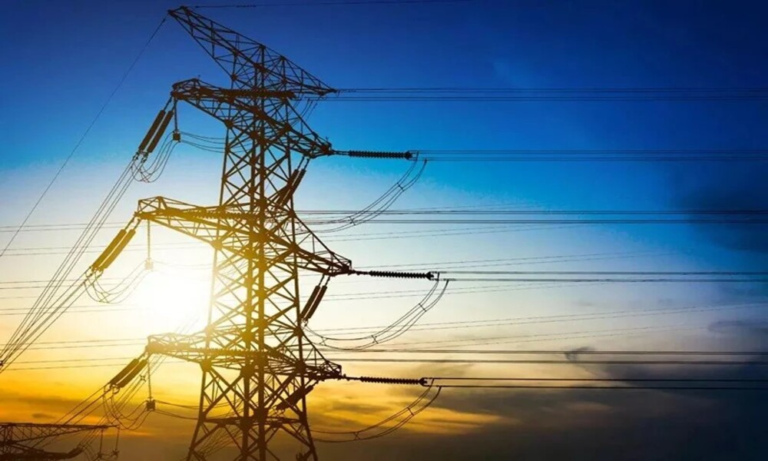
While these commitments highlight strong international alignment, officials caution that financial pledges must navigate formal approval, project preparation, and disbursement stages before translating into field-level projects. Tangible progress is already underway; as of June 16, 2026, the World Bank and AfDB have committed nearly $15 billion directly to Mission 300 projects, alongside $4.5 billion mobilized in co-financing from partner organizations. The program’s scope spans major power plant construction, transmission line expansions, and decentralized mini-grids and solar installations designed to reach isolated rural populations.
African governments remain central to driving the initiative on the ground by enacting policy reforms, issuing project tenders, and managing state utility operations. Private sector involvement is equally crucial, bringing necessary capital, technology, and execution capabilities, backed by public guarantees and concessional loans to de-risk investments in lower-margin regions. Beyond physical infrastructure, Mission 300 emphasizes human capital development—requiring a massive workforce of engineers, solar installers, energy storage experts, legal advisors, and maintenance staff. Organizers stress that achieving the 2030 targets will hinge on continuous monitoring of national energy compacts to keep projects on track and resolve implementation bottlenecks.
TE/Sf/lb/abj/APA