





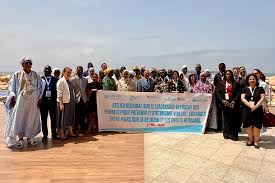
Female religious leadership is emerging as a critical, underutilized mechanism in counter-radicalization across West Africa following a joint UN Human Rights and UNODC initiative in Dakar, Senegal.
Grounded in the UN’s “Faith for Rights” framework, the conference gathered human rights experts, government officials, and grassroots faith leaders to examine how women positioned at the intersection of community life and spiritual authority can dismantle extremist narratives. Discussions centered on two established grassroots networks: Mauritania’s Mourchidates, state-certified female religious guides trained to counter radical rhetoric, and Senegal’s Badian Gokh, trusted neighborhood mediators whose traditional roles in community health have expanded into social cohesion and conflict prevention.
Despite operating on the front lines of community defense and reaching thousands of individuals, female spiritual leaders often face significant operational hazards without formal institutional recognition, official legal status, or financial compensation. Addressing this structural void, conference delegates adopted the Dakar Plan of Action, which explicitly asserts that sacred texts themselves do not perpetuate gender discrimination, attributing harmful stereotypes instead to patriarchal interpretations deployed for political or economic ends. The plan establishes seven concrete strategic objectives, including the development of an interfaith commentary on women’s status within religious institutions and the translation of UN human rights toolkits into Arabic and regional languages.
The outcomes of the Dakar conference feed directly into the UN’s broader Global Alliance for Human Rights, aligning local West African grassroots networks with international human rights advocacy ahead of the 80th anniversary of the Universal Declaration of Human Rights in 2028. UN officials confirmed that both the Mourchidates and Badian Gokh function as front-line human rights defenders by addressing family and neighborhood dynamics directly. However, conference participants emphasized that sustaining long-term momentum, implementing the seven-point action plan, and establishing permanent support structures for these leaders will depend entirely on securing dedicated institutional funding and formal policy recognition.
ABJ/APA