





Uganda has launched implementation of the South Sudan-Uganda Power Interconnection Project (SUPIP) after securing about $121 million from the African Development Fund (ADF), according to information obtained from Uganda’s Ministry of Energy and Mineral Development.
The Ugandan government will also support the construction of a high-voltage transmission infrastructure linking Uganda’s electricity grid to South Sudan, the ministry said.
The project is expected to facilitate cross-border electricity trade, strengthen Uganda’s transmission network in the north and provide South Sudan with access to more reliable and potentially lower-cost electricity.
The milestone follows the fulfillment of conditions required for the ADF financing to become effective and for the first disbursement to Uganda, as well as the establishment of the Project Implementation Team.
The 299-kilometre transmission line SUPIP is designed to integrate South Sudan into the Eastern Africa Power Pool (EAPP), supporting regional electricity trade and allowing participating countries to share available generation capacity.
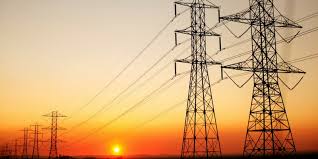
The overall project involves the construction of approximately 299 kilometres of 400-kilovolt double-circuit transmission line between Olwiyo in Uganda and Juba/Gumbo in South Sudan, together with associated substations and supporting infrastructure.
Uganda’s component will cover approximately 150 kilometers of the 400kV transmission line.
This will include about 118 kilometres from Olwiyo Substation to Bibia and a further 32 kilometers from Bibia to the South Sudan border.
The Ugandan component will also include construction of a new 400/132/33kV Bibia Substation, upgrading of the existing Olwiyo Substation to 400/132/33kV and extension of the Karuma Substation to facilitate the evacuation of electricity from Karuma towards Olwiyo.
The project is expected to run from 2026 to 2029 with the Uganda aims at strengthening its northern transmission network and improve the country’s capacity to move electricity to regional markets.
For Uganda, the project is expected to create an additional regional market for electricity generated domestically, particularly during periods when generation capacity exceeds local demand.
MG/abj/APA