



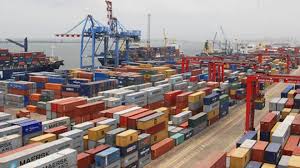
The Port of Djibouti handled Ethiopia’s 17.57mln metric tons of import and export cargo during the 2025/26 Ethiopian fiscal year that ended on July 7, 2026, a senior official disclosed on Thursday.
Ethiopia’s State Minister Transport and Logistics Denge Boru in a report said the volume of Ethiopia’s both import and export cargo passing through maritime gateways of Djibouti accounts for 96.71 percent during the year.
He said figures showed the continued concentration of external trade around the Djibouti corridor despite efforts to expand alternative routes through Berbera, Tadjourah and the Mombasa-Moyale corridor.
Imports accounted for 15.93mln tons of the total, while exports stood at 1.64mln tonnes. Import cargo included 9.35mln tons of general cargo, 4.23mn tons of fuel and 2.35mln tonnes of dry bulk.
General cargo increased by about 3mln tonnes from the previous financial year, while fuel shipments rose by 34,416 tonnes. Dry bulk cargo declined by about 1.26mn tonnes.
Road transport remained the main channel for moving goods, carrying 14.08mln tons, or 80.15 percent of total freight. The Ethio-Djibouti railway transported 3.32mln tons, representing 18.92 percent, while air cargo accounted for 164,781 tons, or 0.94 percent.
Coffee was the largest export commodity by volume, with 440,090 tons, or 26.79 percent of total exports. Pulses accounted for 311,881 tons, followed by oilseeds at 234,550 tons and fruits and vegetables at 191,598 tons.
The ministry also reported an increase in domestic container stuffing. Of 63,857 20-foot containers shipped during the year, 47,753, or 74.78 percent, were packed domestically, saving about 12.08mn US dollars in foreign exchange, according to the figures.
Djibouti handled about 15.34mn tons of cargo, while Berbera accounted for 2.74 percent, Tadjourah for 1.23 percent and the Mombasa-Moyale corridor for 0.56 percent.
The figures come as disruptions along the Red Sea and Bab el-Mandeb continues to negatively impact shipping routes serving the region. The ministry identified regional security concerns, higher freight tariffs, volatility in global shipping and pressure on transit corridors among the main challenges facing the logistics sector.
MG/abj/APA