





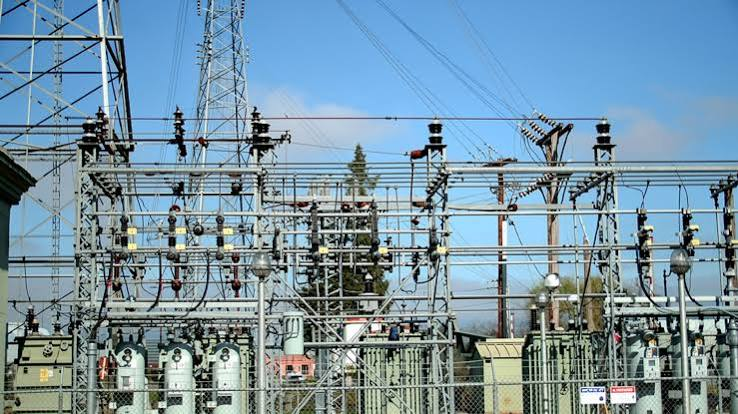
The Nigerian Government has raised about N1.23 trillion through two bond issuances to tackle N4 trillion legacy debts owed the Electricity Generation Companies (GenCos).
The Chief Executive Officer, Nigerian Bulk Electricity Trading Plc (NBET), Mr. Akin Odeyemi, said in Abuja that the latest Series 2 issuance raised N728.9 billion, following N501 billion secured through Series 1 in January.
He explained that the Series 2, launched in August, involved 11 GenCos, compared with eight companies that participated in the first issuance.
According to him, the increased participation reflects growing stakeholder confidence in the debt reduction programme.
“The increased participation is a positive development and reflects the growing confidence of stakeholders in the programme,” Odeyemi said.
He said that the participation also demonstrated the programme’s ability to provide a credible framework for addressing verified outstanding obligations.
Odeyemi said the N728.9 billion Series 2 bond would be implemented in two tranches, identified as Tranches A and B.
According to him, the accumulated outstanding obligations had affected the ability of the electricity market participants to meet their financial commitments.
The NBET chief executive said that the debt burden had also constrained GenCos’ capacity to invest further in electricity generation.
“It is therefore important that the Debt Reduction Programme is viewed not simply as an initiative for settling historical debt,” he said.
In his remarks, Nigeria’s Minister of Finance and Coordinating Minister of the Economy, Mr. Taiwo Oyedele, said that Series 2 comprised N402 billion in cash bonds.
Oyedele said that another N326.9 billion was allotted as non-cash bonds to participating GenCos under the Presidential Power Sector Debt Reduction Programme.
He said the transaction addressed accumulated legacy obligations that had weakened liquidity and constrained investment across the electricity market.
“This transaction addresses an important challenge in Nigeria’s electricity market, which is accumulated legacy obligations,” Oyedele said.
GIK/APA