



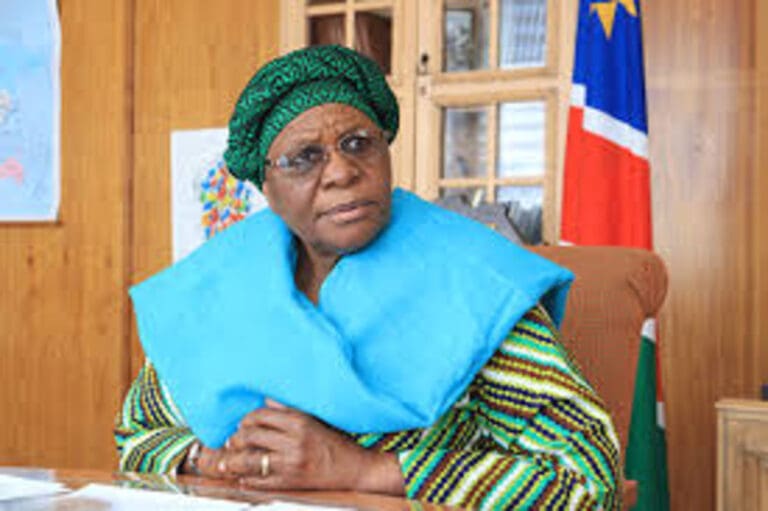
Namibian President Netumbo Nandi-Ndaitwah will make a three-day state visit to Angola next week to co-chair the inaugural Angola-Namibia Bi-National Commission (BNC) with Angolan President João Lourenço.
Nandi-Ndaitwah will be in Luanda from 18 to 20 October for the launch of the presidential-level mechanism, which is expected to oversee collaboration in trade, infrastructure, energy, security and border management.
The commission was established to elevate bilateral engagement beyond the existing Joint Commission of Cooperation and provide direct oversight by the two heads of state. An agreement creating the BNC was signed in July 2019.
The inaugural session will culminate in a summit of the two presidents on 19 October following meetings of senior officials and ministers from both countries.
Namibia’s Ministry of International Relations and Trade said the BNC would serve as a platform for the two governments to assess progress in existing areas of cooperation, address outstanding issues and agree on measures to advance shared development priorities.
Key sectors on the agenda include agriculture, trade and investment, transboundary energy and water projects, transport and cross-border infrastructure, defence and security as well as border and immigration management.
The programme will also feature an Angola-Namibia Business Forum aimed at expanding commercial ties and investment opportunities between the two economies.
According to Namibian authorities, 95 Namibian companies have already expressed interest in participating in the forum and related business-to-business engagements.
Nandi-Ndaitwah is also expected to address Angola’s National Assembly and visit the Dr António Agostinho Neto Memorial Park during the visit.
Angola and Namibia enjoy longstanding historical ties dating back to their respective liberation struggles, when the South West Africa People’s Organisation and Angola’s Popular Movement for the Liberation of Angola maintained close relations.
Since Namibia’s independence in 1990, the two countries have expanded cooperation in areas such as trade, security, transport and the management of their shared border.
The countries have also worked together on regional initiatives through the Southern African Development Community while collaborating on cross-border infrastructure, energy and water projects.
JN/APA